Engineered to be safer than charcoal
LPG is safer than charcoal when handled correctly. This page documents how Kyuka handles cylinders, trains customers, tests fuel and engages regulators. And which controls are still pending external validation.
What we run on every cylinder
LPG handling & storage
ISO-aligned cylinder handling at hubs. Storage areas are well-ventilated, fenced, signed and away from ignition sources.
Refill protocol
Pre-fill inspection, weight checks, leak test with soap solution and seal verification on every cylinder.
Customer safety training
Every PAYG customer receives a 30-minute in home walk-through covering ignition, leak detection, ventilation and emergency steps.
Incident reporting
Any leak, fire, burn or injury is logged within 24 hours, reviewed by the safety lead and surfaced in the monthly impact summary.
Fuel quality testing
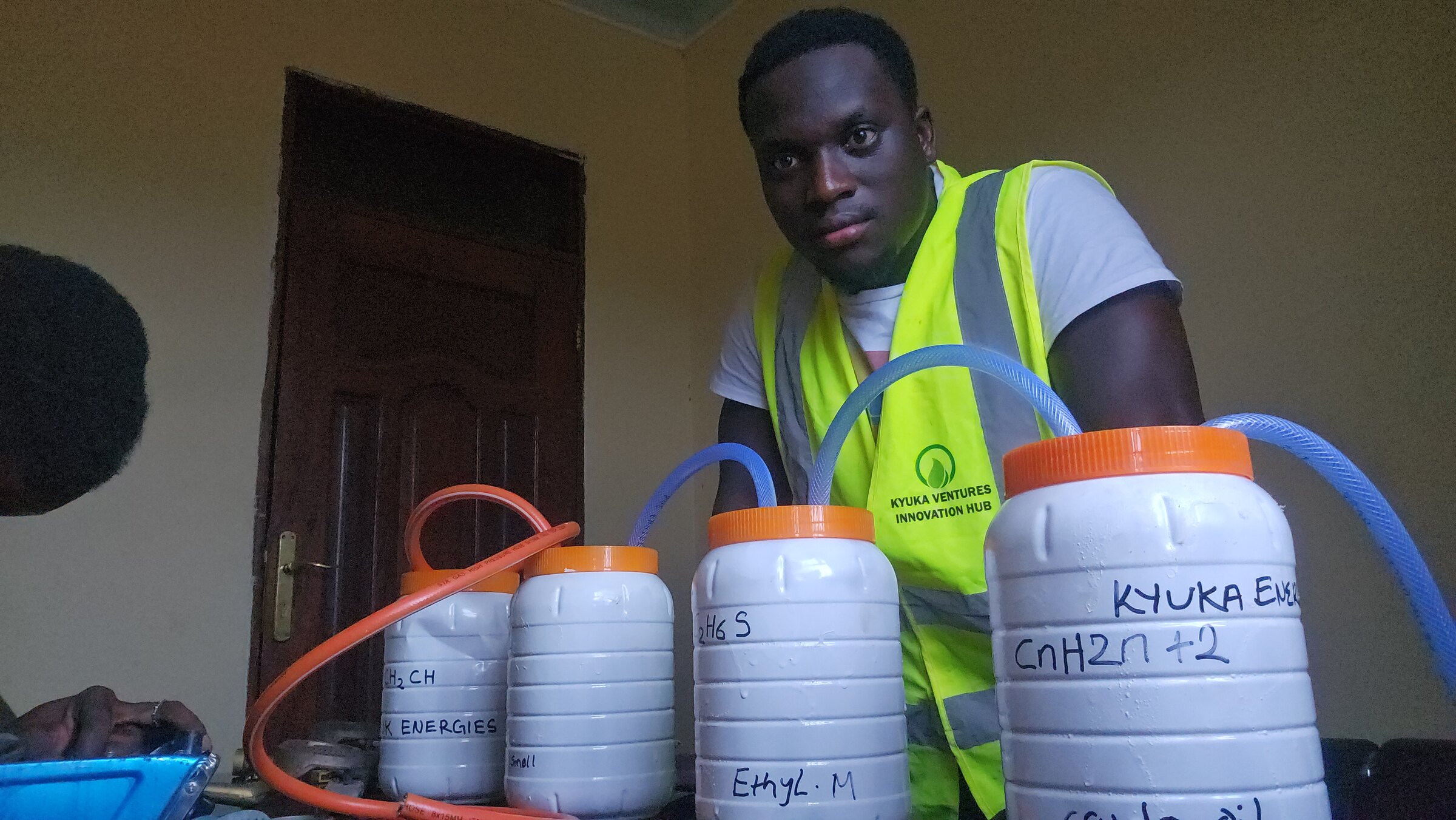
Burner-flame and composition tests on every batch. Periodic GC analysis at a partner lab confirms propane/butane share.
Emergency response
24/7 hub hotline for customers. Local responder map maintained for every active sub-county.
What's certified, what's still pending
We separate what Kyuka has documented internally from what has been externally tested or certified. Conservative wording until evidence is filed.
| Control | Status |
|---|---|
| Cylinder handling protocol | Compliant |
| Customer safety training curriculum | In production |
| Fuel composition (propane/butane share) | Partner verified |
| Independent safety audit | Scoped |
Pilot safety record
Across the 2025 trial cohort of 50 households in the Katanga in home cooking pilot, Kyuka recorded zero leaks, fires or injuries linked to its cylinders or stoves. The cohort, methodology and incident log are documented in the forthcoming impact report.